
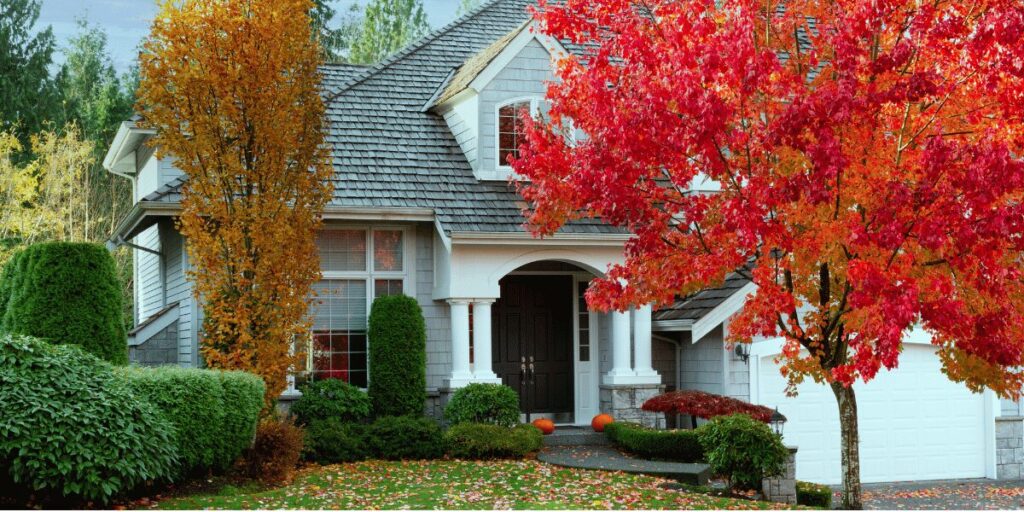
Right now, the River Region is putting on its fall show. Crape myrtle leaves are turning shades of orange and red, the sweetgums are going gold, and the mornings finally have some crispness to them. For most of us, planting is the last thing on our minds. We usually save that for spring, when the azaleas bloom and garden centers fill up with folks ready to bring life back into their yard.
But here’s a secret from our side of the plant tables: if you’re planting trees and shrubs in Alabama, fall is actually the best time to do it.
Plant in fall, and your new tree or shrub gets a few months to grow roots before summer shows up. By the time June hits, it’s settled in and ready for the heat, instead of spending its whole first summer just hanging on.
And this isn’t just our opinion. The plant experts at Alabama Extension agree that fall is prime time for planting trees and shrubs around here, too.
So if there’s a builder-grade bed that’s been bugging you, or a corner of the yard that could really use some shade, let’s talk about why now’s the time and how to plant so it actually pays off.
Why Is Fall the Best Time for Planting Trees and Shrubs?
Here’s the short answer: in fall, the soil is still warm, but the air is cooling off. Warm soil keeps roots growing, and cooler air means the plant isn’t losing as much water through its leaves. So all that energy goes underground, right where you want it.
Now picture a shrub you plant in April. It’s trying to push out new leaves, settle into brand-new soil, and gear up for summer all at the same time. Then the heat hits before its roots have barely made it past the original root ball. That’s a lot to ask of one plant.
A shrub you plant in fall gets to skip all that. It isn’t busy making new leaves this time of year, so it can just focus on its roots.
Our mild winters help a lot, too. Montgomery and Pike Road are in USDA hardiness zone 8b, which means our coldest nights usually bottom out somewhere around 15 to 20 degrees. The ground hardly ever stays frozen for long, so those new roots get plenty of mild days to keep working between cold snaps.
Come spring, your fall-planted tree or shrub is already a step ahead, and a spring-planted one just can’t catch up.
Less Watering, Less Stress, and a Better First Summer
Planting in fall is a whole lot easier on you, too.
Put something new in the ground in June, and you’ll be out there with the hose just about every day. In fall, the days are shorter, it’s cooler, the soil stays damp longer, and we usually start getting more regular rain again. You’ll still need to water, of course, just not every single evening.
Plus, digging a hole in the cooler October weather beats digging one in the dead of summer any day of the week. You can actually get some yard work done without ending up drenched in sweat.
The real payoff, though, comes next summer. If you’ve ever watched a spring-planted shrub droop every afternoon in July, you know how rough that first summer can be. Heat stress is one of the biggest late-summer struggles we see in Alabama yards, and a fall-planted shrub is much better equipped to handle it. By then, its roots have grown deeper, so it can reach water that a younger plant just can’t.
When Should You Plant Trees and Shrubs in Montgomery and Pike Road?
Around here, you can plant trees and shrubs anytime from October through winter, right up until things start leafing out in spring. The sooner you get them in the ground, the more time those roots have before summer.
Alabama Extension’s gardener’s calendar actually lists planting trees and shrubs as a to-do in both October and November, so if you’re reading this now, you’re right on time.
A few quick tips for picking your planting day:
- Sooner is better: Late October through December gives roots the longest head start.
- Skip the soggy days: If the yard’s a mess after a big storm, wait a few days. Digging in wet clay packs it down, and roots have a harder time spreading out.
- Keep an eye on the forecast: Hard freeze on the way? Wait until it passes.
- Missed December? Don’t sweat it: Our winters are mild enough that you can still plant on nice days in January and February. You’re just giving the plant a little less time to get ready for summer.
Our Favorite Trees and Shrubs to Plant in the River Region This Fall
Most trees and shrubs that do well in Central Alabama can go in the ground this fall. Not sure where to start? These are dependable choices for River Region yards:
- Crape myrtles give you summer blooms, fall color, and pretty bark all winter long. Just check the tag for how big it’ll get, so you’re not stuck whacking it back every year.
- Southern magnolia is the classic shade tree, with big glossy leaves that stay green all year. Give it some room, though. It gets a lot bigger than you’d expect.
- Dwarf yaupon holly is a tough native evergreen that shrugs off heat, dry spells, and our clay better than most foundation shrubs.
- Boxwood is your go-to for clean, tidy structure along the front of the house. It does need good drainage, so if that spot stays soggy after a rain, plant it a little high or pick something else.
- Loropetalum brings deep burgundy or purple leaves, plus pink blooms in spring. Some types get much bigger than you’d think, so look for a compact variety if it’s going under a window.
- Distylium is an easygoing evergreen that handles heat and stays neat without much pruning.
- Indian hawthorn is a pretty, low-growing evergreen, but some varieties are prone to leaf spot in our humid weather. Stick with disease-resistant types like ‘Olivia’ or Indian Princess®.
- Camellias are a Southern favorite, and sasanquas bloom right in the middle of fall, when not much else is. They’re happiest with a little afternoon shade.
Whatever you pick, think about where it’ll be in 10 years, not just how cute it looks in the pot. How much sun does the spot get? How big will the plant get? Are there power lines, sidewalks, or a roofline in the way? If you’re starting from scratch with a brand-new yard, we walk through all of that planning in our guide to landscaping new construction homes.
Our selection changes throughout the season, so if you’ve got your heart set on a certain plant or size, give us a call before you head over.
How to Plant Trees and Shrubs in Alabama Clay Soil
Planting a tree or shrub can feel intimidating, especially if you’ve never done it before or you’re staring down a yard full of hard Alabama clay. Most of it comes down to digging the right size hole, setting the plant at the right height, and giving it a good start with water and mulch.
We’ve broken it all down step by step, so you can grab a shovel and get started with confidence.
- Check your drainage first. Most landscape problems come down to too much water or not enough. So dig your hole, fill it with water, and see what happens. If it’s still sitting there the next day, try a different spot or fix the drainage first.
- Think about a soil test. Your local Extension office has kits you can mail off to Auburn’s soil testing lab. It’ll tell you what your soil actually needs before you start adding stuff to it.
- Dig wide, not deep. Make the hole two to three times as wide as the root ball, but only as deep as the root ball is tall. Roots like to spread out more than down, and planting too deep is one of the most common reasons new trees and shrubs don’t make it.
- Rough up the roots. Slide the plant out of its pot and loosen the roots with your fingers. If some are circling around the root ball, go ahead and cut or break them. We know it feels wrong, but it keeps those roots from choking the plant later on.
- Plant it slightly higher. In heavy clay, set the root ball a couple of inches above the ground around it. You should be able to see the root flare, where the trunk widens out at the bottom.
- Backfill and water deeply. Fill in around the root ball mostly with the soil you dug out. If your clay is really heavy, mixing in a little compost is fine. Press out any air pockets, then give it a long, slow soak.
- Mulch, but keep it off the trunk. Spread 2 to 3 inches of mulch or pine straw over the planting area, and pull it back a few inches from the trunk. It holds in moisture, keeps roots cozy through winter, and cuts down on weeds. If you’re covering a larger area, our material calculator will tell you how much you need.
- Hold off on fertilizer until spring. Fertilizing in fall can push out tender new growth during a warm spell, and one early freeze can zap it. Wait until spring and let your soil test be your guide.
Once it’s in the ground, keep an eye on watering. New trees and shrubs need regular water for the first few weeks. After that, stick a finger a couple of inches into the soil and water when it feels dry, even in winter. A dry January can still stress out a new plant.
And if you’d rather leave the digging to somebody else, that’s what we’re here for. Our team handles landscape installation, irrigation included, and we can deliver mulch, soil, and other bulk materials right to your driveway.
Frequently Asked Questions About Planting Trees and Shrubs in Alabama
Is fall better than spring for planting trees and shrubs in Alabama?
Yes. Fall is the best time to plant trees and shrubs in Alabama because warm soil and cool air let roots grow for months before summer arrives. A fall-planted shrub heads into its first July with a deeper root system than a spring-planted one, so it needs less water and handles the heat better.
How long does it take a new tree or shrub to get established?
Most shrubs and small trees take about one to two years to get fully established, and larger trees can take longer. Until then, the roots haven’t spread far past the original root ball, so keep watering during dry spells, especially through that first summer after planting.
Do I need to stake a newly planted tree?
Usually not. Most small trees planted at the right depth stand just fine on their own, and a little sway in the wind actually helps the trunk get stronger. If a tree is top-heavy or in a windy spot, stake it low and loosely, then take the stakes off within a year so they don’t damage the trunk.
Should I prune a tree or shrub right after planting it?
Only trim dead or broken branches at planting time. A new plant needs its leaves to make energy for root growth, so save any shaping until it’s settled in. For spring bloomers like azaleas, wait until after they flower, or you’ll cut off next year’s blooms.
Can I move an established shrub in the fall?
Yes. Late fall and winter are good times to transplant shrubs in Central Alabama, since cooler weather means less stress on the plant. Water the shrub a few days before you dig, keep as much of the root ball as you can, replant it right away at the same depth, and give it a deep soak.
Do I need to cover new trees and shrubs before a freeze?
Trees and shrubs that are hardy in zone 8b rarely need covering in Central Alabama. The best protection is a deep watering a day or two before a hard freeze and a 2- to 3-inch layer of mulch to insulate the roots. If you do cover a plant, take the cover off once temperatures climb back up.
Give Next Summer’s Yard a Head Start Now
Spring will always feel like planting season, but the trees and shrubs that look their best next July are usually the ones that went in the ground while everyone else was raking leaves.
So if you’ve been putting off that privacy screen, a shade tree for the backyard, or a refresh for the beds out front, consider this your sign.
Swing by Froggy Bottom Garden Center on Highway 80 East in Pike Road. Snap a few pictures of the spot you’re planting and pay attention to how much sun it gets. We’ll help you find something that fits the space, grows well here, and won’t outgrow its welcome in a few years.
And if you’re looking for a specific plant, a bigger size, or a larger quantity, give us a call at (334) 215-3704 before making the trip.
Or just stop by and walk the rows. Fall’s a pretty nice time for that, too.